

Linen Fibre Uncovered: The Science Behind the Fabric
Updated: Sep 24, 2025
For thousands of years, linen fabric has been a cornerstone of civilisation; used in clothing, bedding, décor, and even mummification. Revered for its breathability, strength, and sustainability, linen remains a sought-after material in today’s textile industry. But what makes linen fabric so unique on a scientific level? How can manufacturers ensure consistent quality?
That’s where fibre analysis comes in.
What is Linen Fabric? A Natural Marvel
Linen fabric is made from the fibres of the flax plant (Linum usitatissimum). Unlike cotton, which grows in soft, puffy bolls, flax fibres are harvested from the stalk of the plant, making linen a bast fibre.
Key Characteristics of Linen Fabric:
Durability: Linen is up to 30% stronger than cotton.
Moisture-wicking: Absorbs moisture without feeling damp.
Breathable: Ideal for warm weather and humid climates.
Eco-friendly: Requires fewer pesticides and less water to grow.
But the quality of linen fabric doesn’t rely solely on the flax plant, it depends on fibre properties, particularly fibre diameter, length, and uniformity.
Why Fibre Diameter Matters in Linen Fabric Production
In linen textiles, fibre diameter is one of the most important indicators of quality. It directly affects:
Softness: Finer fibres create smoother, more comfortable linen fabric.
Strength: Coarser fibres enhance tensile strength but may reduce softness.
Uniformity: Consistent diameter results in even spinning and fewer fabric imperfections.
Traditional fibre measurement methods can be slow, labour-intensive, and inconsistent.
Applications of Linen Fabric and Why Quality Matters
Linen fabric is beloved across industries for its timeless appeal and performance. Here’s how OFDA’s fibre analysis benefits each application:
Apparel
Luxury fashion brands rely on linen for elegant summer garments. OFDA ensures:
A smooth hand-feel (finer fibre diameter)
Uniform dye absorption (consistent fibre structure)
Longevity in wear (durable, well-graded fibre)
Home Textiles
Linen is a favourite for bed sheets, tablecloths, and curtains. With OFDA:
Manufacturers can match fibre grades to end-use needs (e.g. soft bedding vs crisp table linens)
Consumers enjoy premium texture and durability
Industrial Use
Linen is increasingly used in composites and technical textiles. OFDA helps guarantee:
Structural consistency
Resistance to abrasion
Predictable behaviour under stress
Sustainability: Linen Fabric Meets Precision Science
Linen is naturally sustainable, but waste can creep into the production process through:
Over-processing poor-quality fibres
Rejecting good fibres due to inaccurate grading
Inconsistent yarn spinning from fibre variability
OFDA solves these issues by reducing human error and optimising fibre use, supporting both ecological and economic goals.
How OFDA Enhances the Quality of Linen Fabric
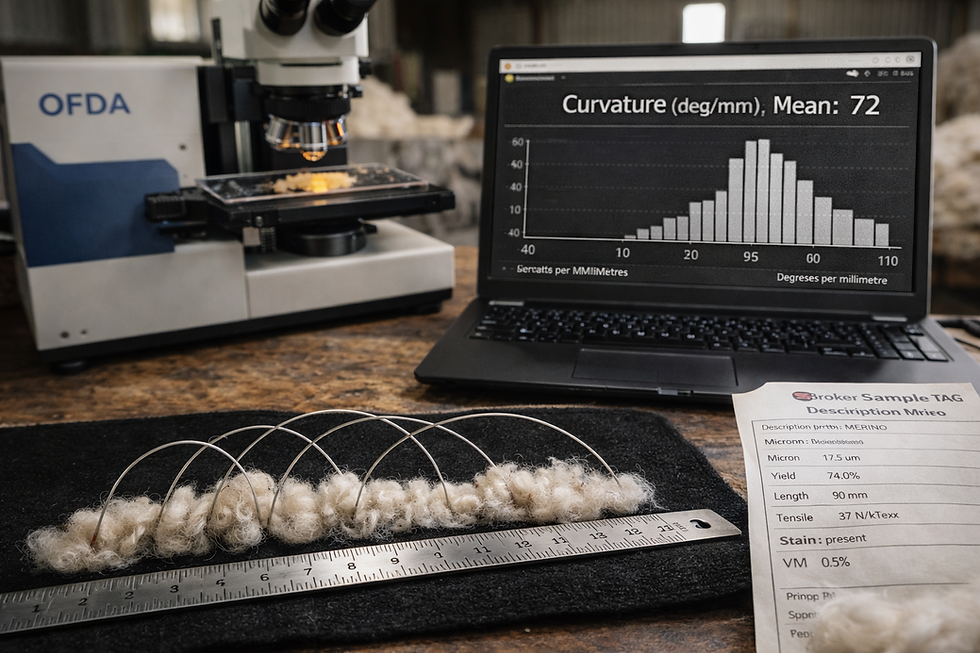
The Optical-Based Fibre Diameter Analyser was originally designed for wool and animal fibres but is now widely used for analysing plant-based fibres like flax. Here's how OFDA benefits linen manufacturers:
1. Accurate Fibre Diameter Analysis
OFDA devices use image-based optical imaging to measure individual fibres’ diameters in real-time. This allows manufacturers to detect batch inconsistencies and optimise their fibre selection for different types of linen fabric (e.g. fine apparel vs upholstery).
2. Fibre Length and Distribution
Knowing how long each fibre is and how evenly they’re distributed is key to determining how flax fibres will behave in spinning. OFDA offers detailed histograms and graphical insights to help producers fine-tune their processing techniques.
3. Batch Grading and Quality Control
With OFDA, manufacturers can create quality benchmarks for linen fabric production. Whether it’s setting specifications for export or meeting high-end fashion standards, having a data-backed profile makes all the difference.
4. Fast, Reliable Testing
Unlike traditional microscope-based fibre testing, OFDA delivers thousands of readings in minutes. This means quicker decision-making, less waste, and higher consistency across the production cycle.
Elevate Your Linen Fabric Production
Whether you're a flax grower, yarn spinner, or fabric manufacturer, integrating OFDA technology into your workflow brings clarity and confidence.
Contact Robotic Vision today to learn more about our technology and how it can help your business deliver the highest-quality linen fabric on the market.


Comments