
Wool Fibre Testing
A single micron can shift a fleece from one price bracket to another, yet growers and classers often make decisions on feel alone. OFDA by Robotic Vision puts objective wool fibre testing into the shearing shed and the laboratory, measuring diameter, curvature and length in seconds so every line is classed and sold with confidence.
Objective Wool Measurement From Shed to Sliver
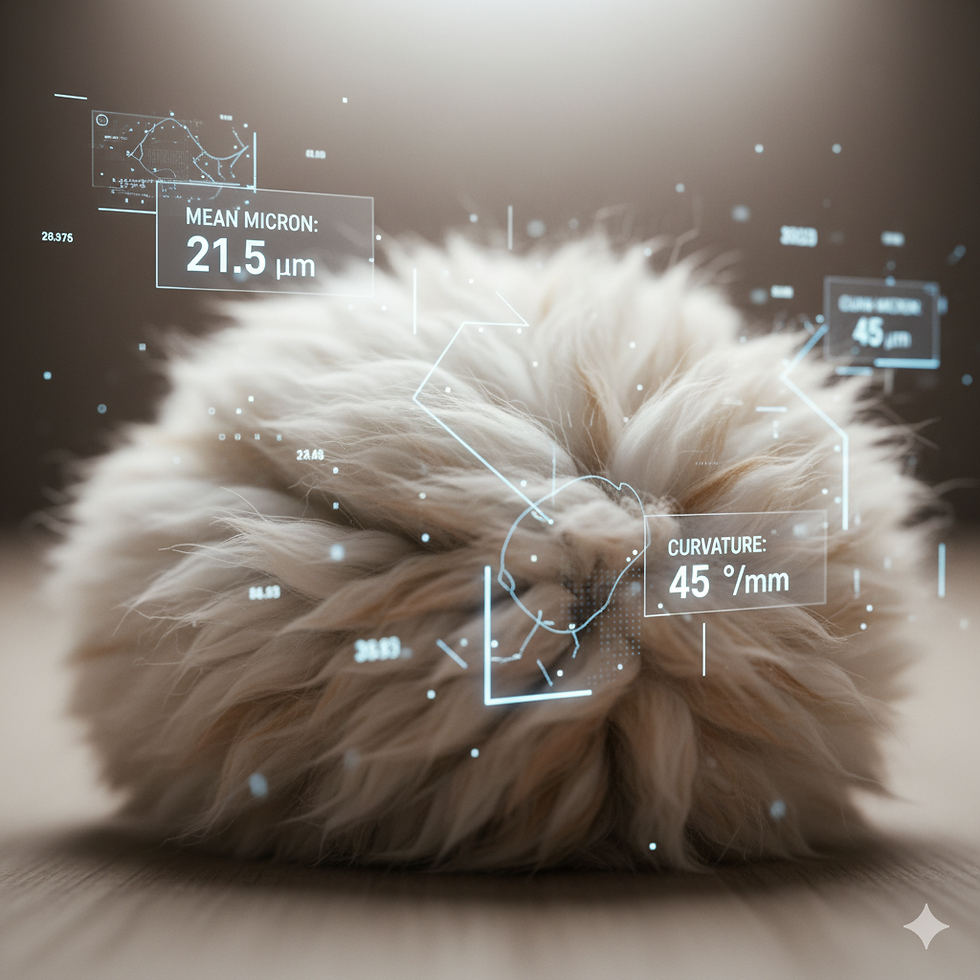
OFDA has been used across the wool industry for more than 30 years. The OFDA2000 measures greasy and clean wool on farm or in commercial testing authorities, and the OFDA4000 handles automated laboratory work on tops and slivers. Both instruments use optical image analysis, not lasers, to deliver rapid, repeatable wool fibre measurement aligned with recognised international methods.
What OFDA Measures on Wool
A single OFDA run captures the core attributes that drive wool value and processing behaviour. Every result is reported with full distribution data, not just a mean, so classers, buyers and processors work from the same objective picture.
-
Mean fibre diameter, reported in microns
-
Full fibre diameter distribution and standard deviation
-
Coefficient of variation and comfort factor
-
Fibre curvature, reported in degrees per millimetre
-
Fibre length distribution for tops and slivers on OFDA4000
-
Sample statistics suitable for IWTO-47 and IWTO-62 reporting
On-Farm Wool Testing With OFDA2000
OFDA2000 delivers in-shed wool micron data in around 25 seconds per sample. Greasy staples can be measured with grease-to-clean correction, giving growers real-time diameter, CV and comfort factor during shearing. Classers can split lines, flag outliers and prepare clip-ready bales with objective data instead of judgement alone.

Laboratory Wool Testing With OFDA4000
OFDA4000 is a fully automated laboratory instrument for tops, slivers and high-throughput wool fibre analysis. Robotic sample handling combines with optical imaging to capture diameter and true length distribution in the same run, with minimal operator time. Commercial wool testing authorities and research laboratories use OFDA4000 to process large sample volumes while maintaining consistent, certifiable results.
Standards and Methods for Wool Fibre Testing
OFDA is referenced under recognised International Wool Textile Organisation methods, giving laboratories a clear pathway to certified, auditable results.
-
IWTO-47 for mean fibre diameter and distribution
-
IWTO-62 for length and diameter in tops and slivers
-
Interwoollabs IH Standards for calibration and ongoing traceability
-
ICAR guidelines for mid-side sampling and on-farm protocols

Who Uses OFDA for Wool Fibre Testing
Robotic Vision instruments are used across the wool value chain in Australia, New Zealand, China, South America, South Africa, Europe and North America. Over 400 OFDA instruments are in service globally, supporting wool programmes of every size.
· Commercial wool testing authorities issuing certified sale lot results
· Wool brokers and classing rooms preparing lines for auction
· Stud merino and crossbred breeders driving genetic improvement
· Topmakers and mills controlling processing performance
· Research institutes studying fibre behaviour and new wool products

Why Choose Robotic Vision for Wool Fibre Testing
-
Rapid, objective wool micron data in seconds, not minutes
-
Full diameter, curvature and length reporting from a single sample
-
Long-lasting calibrations with simple, documented procedures
-
Direct factory support backed by a global agent network
-
Proven across more than three decades of wool industry use
Explore OFDA Wool Fibre Testing Instruments
Whether you need rapid in-shed wool micron testing, high-throughput laboratory wool fibre analysis or both, Robotic Vision has a configuration to match. Contact the team to discuss your wool testing requirements, or browse the OFDA2000 and OFDA4000 specifications to plan your next installation.
Frequently Asked Questions
OFDA instruments measure mean fibre diameter, full diameter distribution, standard deviation, coefficient of variation, comfort factor and fibre curvature. OFDA4000 also measures true fibre length distribution in tops and slivers. All outputs are generated from a single optical imaging run on the sample, which means wool growers, classers and laboratories get a complete objective profile of the wool rather than a single headline number.
OFDA is validated against recognised IWTO reference methods and has been benchmarked against Laserscan and projection microscopy in peer-reviewed studies. Accuracy depends on sample preparation, calibration and correct use, but commercial wool testing authorities use OFDA to issue certified sale lot results. With Interwoollabs IH standards for calibration and disciplined laboratory practice, OFDA delivers the accuracy required for trading, certification and research.
Yes. OFDA2000 is specifically designed for on-farm wool testing and can measure greasy staples with grease-to-clean correction. Results are available in around 25 seconds per sample, which allows classers to measure during shearing, split lines by micron and adjust clip preparation in real time. This removes the wait for external laboratory results and supports better decisions at the point where value is created.
OFDA2000 is a rapid instrument for greasy and clean wool, suited to on-farm, in-shed and commercial testing applications. OFDA4000 is a fully automated laboratory instrument for wool tops and slivers, combining robotic sample handling with optical imaging and true length distribution. Many laboratories run both instruments to cover on-farm, raw wool and processed sample workflows in one integrated Robotic Vision platform.
Yes. OFDA is referenced under IWTO-47 for mean fibre diameter and distribution, and under IWTO-62 for length and diameter in wool tops and slivers. Laboratories can use Interwoollabs IH Standards for ongoing calibration. This gives commercial testing authorities and research laboratories a traceable, standards-aligned path to certified wool fibre testing results.
Yes. OFDA measures fibre curvature in the same run as diameter, reported in degrees per millimetre. Curvature relates to crimp character and contributes to fabric handle, bulk and processing performance. Reporting both micron and curvature from one sample saves time, reduces handling and gives breeders, classers and topmakers richer data to support selection, classing and product development decisions.
OFDA replaces subjective feel with objective data at the point of classing. Real-time micron, CV and comfort factor help classers split lines with confidence, build uniform bales and avoid costly mis-classing. Objective data also supports forward contracts, premium programmes and clip description, giving growers and brokers a clear numerical basis for pricing and sale lot preparation rather than relying on visual assessment alone.
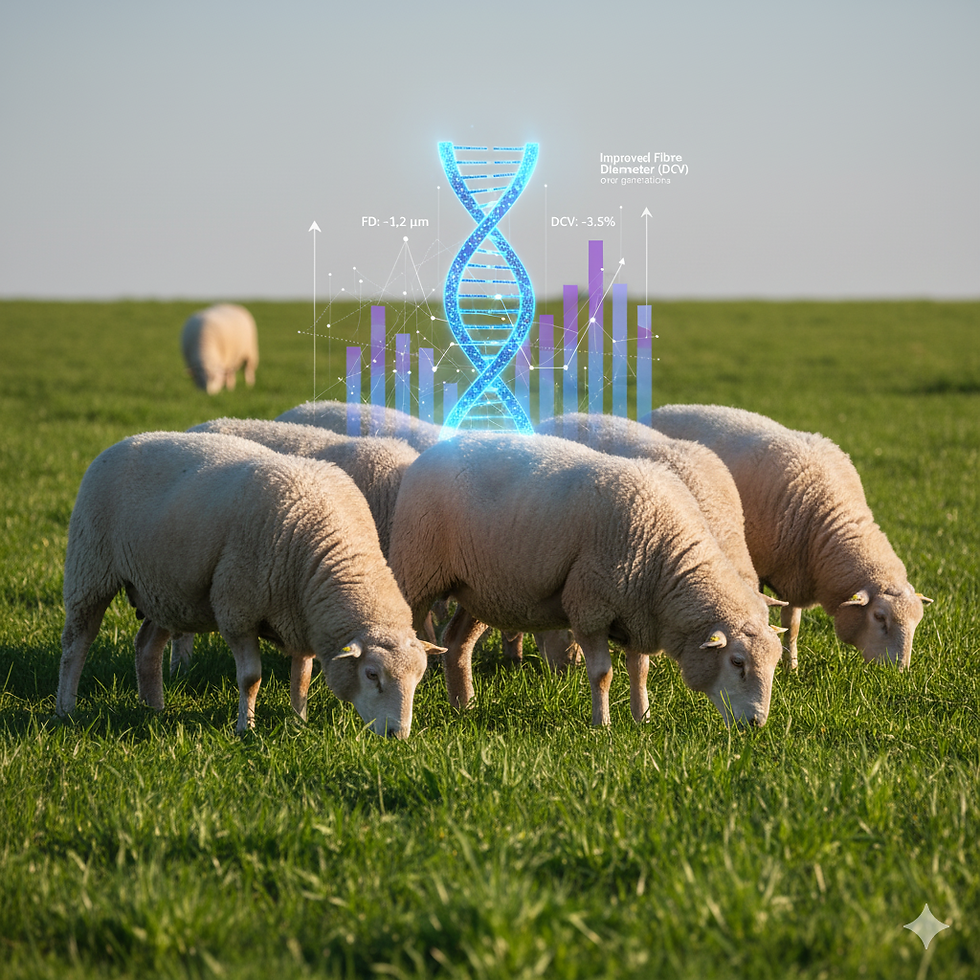
Yes. Stud merino and crossbred breeders use OFDA data alongside EBVs and ASBVs to select rams and ewes for target micron, lower variation and improved curvature over time. Because OFDA reports full distribution rather than a single mean, breeders can identify animals with tighter, more consistent fleeces. This supports long-term genetic gain and helps studs align their offering with specific market segments and micron targets.
400 instruments are installed globally in commercial testing authorities, broker classing rooms, stud breeding programmes, topmakers and research laboratories. A direct factory support model and established agent network back installations wherever wool fibre testing is carried out.